lunes, 15 de abril de 2013

PRESSURE ULCERS


Pressure ulcers occur when the pressure on the skin reduces the blood flow to the area.
Some risk factors include:
-          Malnutrition
-          incontinence
-          Disease That Affects blood flow, vascular disease or diabetes Including
-          Stay in bed for a long time
-          Fragile skin

Valuation
The patient must be evaluated through the scales valuation of risk for identify the elderly patient with risk of developed a pressure ulcer.
The Braden and Norton's scales are the most used.
When already has developed a pressure ulcer need a comprehensive evaluation that includes the location and number of lesions. The most common sites of pressure ulcers are the trochanters, sacrum, buttocks and heels.

Pressure sores are grouped by their severity.
-          Stage I: A reddened area on the skin that, when pressed, does not turn white.
-          Stage II: ulcer-like abrasion bleb or shallow crater
-          Stage III: There is damage to the tissue below the skin.
-          Stage IV: The pressure ulcer has become so deep that there is damage to the muscle and bone, and sometimes to tendons and joints.


The worst complication in this hurt is the infection, bacteria multiply, the healing is disrupted and damaged tissues.

The symptoms typical are inflammation, pain, hot and blush.

The cleaning must be realised with physiological saline.
Debridements are the removal of necrotic tissue by a surgical technique. This technique is not performed if there are circulation disorders, infection...

The dressings used in pressure ulcers depends wound exudate and the presence or absence of infection.
-          Hydrogels are used in necrotic tissue must be covered with a secondary dressing.
-          Hydrocolloids are used in the treatment of vascular and pressure ulcers. These dressings form a gel to absorb the wound exudate.
-          Alginates not be used on dry wounds, are very absorbent so used to heavily exuding wounds.
-          Foam may be adhesives or not. Retain large amounts of exudate.
-          Hidrocapilares serve low and high level of exudate, are very adaptable. They have a pad covered with a water resistant material, their most important characteristic is that they are capable of absorbing large amounts of exudate
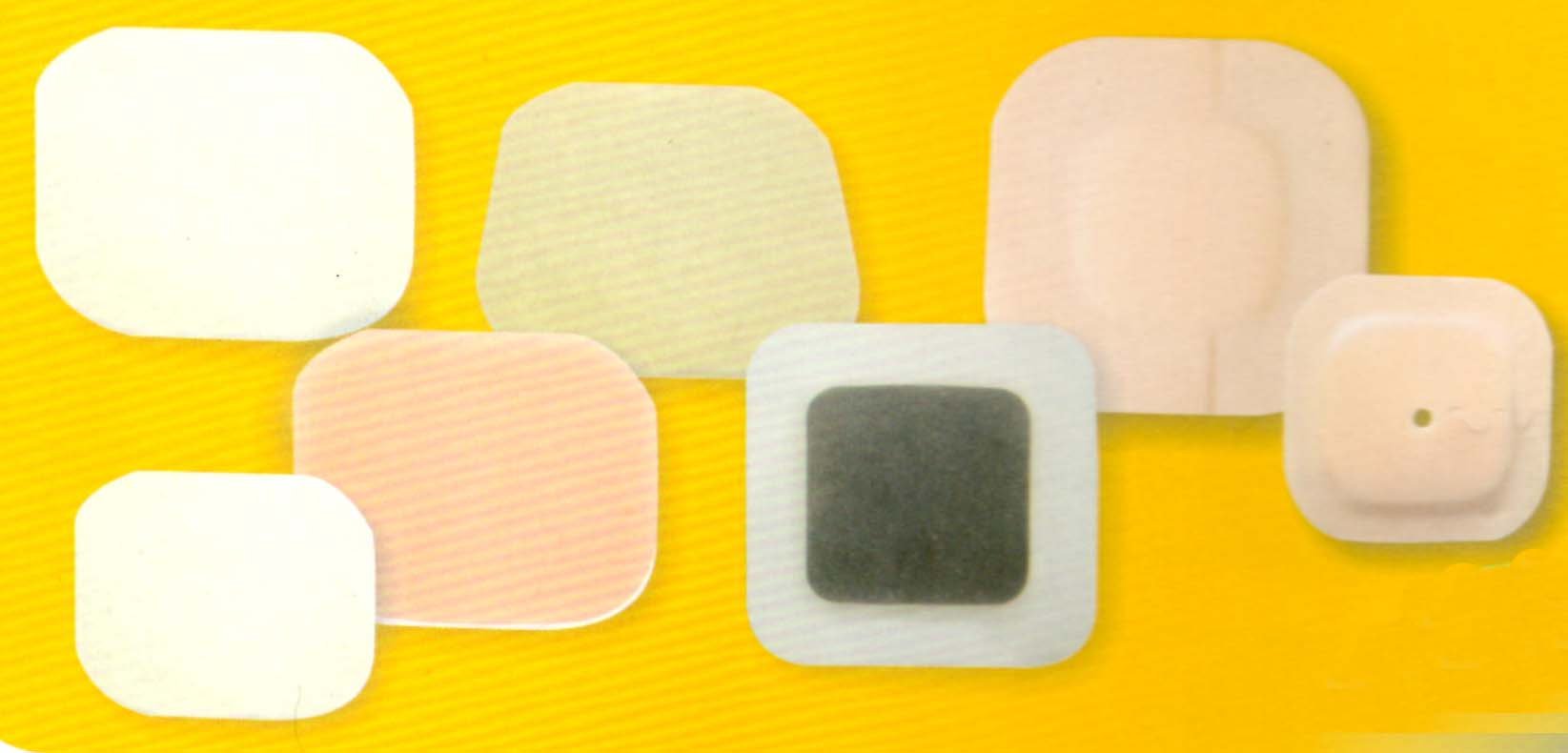


In my opinion is very important know all the different characterist dressing to can choose the better in which tipe of ulcer. Also it is important change the dressing when it is necesary.
I think that will be important stabilish a norms of the ulcers´s traments for all the healh peronal could be trated the same form.


As we have seen most importantly in pressure ulcers is from my point of view, the prevention of the same. Preventing ulcers is much easier to treat, for it can be proposed guidelines:

-          Change position At least every 2 hours to relief pressure
-          Use items That Can help reduce pressure: pillows, sheepskin, foam padding, and powders from medical supply stores
-          After urinating or having a bowel movement, clean the area and dry it well
-          Keep skin clean and dry

When the ulcer is already the most important thing will be treated as early as possible and so we will have to assess the ulcer, cleaning and studying the best way to act.

In my view thanks to the advances that have occurred in the different types of dressings and different techniques, has helped to work more efficiently.

But we must not forget that the best treatment is prevention.

Bibliography


lunes, 8 de abril de 2013

GERIATRIC SYNDROME

There are few illness that only affect old people, a lot of of there appear before 65 years old.

There are several elements which designate the carefulness.

The most difficult in the aging illness is the presentation of them furthermore different illness could different organ or system; it is very common chronic or degenerative disorder which cause dependence.
One of the objectives in aging will be the upkeep of autonomy thought the early rehabilitation.

The pain is an important point for the nurses, they must know the stage of it. The scale EVA is used to measure the pain in aging.


Urinary and digestive problem are common in aging are important, constipation, heartburn and belching.
Respect to urinary problems appear more in people with prostatic hypertrophy and originate more infections.

In my opinion, the problems there more affect this patient are shake which increase with activity and senility. And the mental problem disorder, because they are aware about their problem and fell lest and lest rewarding.

Geriatric syndrome
The term "geriatric syndrome" is using to highlight the unique features of common health condition in the elderly.

Based on a review of the literature, four shared risk factor-older age, baseline congenitive impairment, baseline funtional inpairment, and impaired morbility - were identified across five common geriatric syndromes like a pressure ulcers, incontinence, falls, funtional decline, and delirium.

 The geriatric syndromes are defined by Kane, in 1989 in his book Essential of Clinical Geriatrics like a geriatric problems, allowing its memorization by the rule of ies:
-          immobility
-          instability and falls
-          urinary and faecal incontinence
-          intellectual impairment
-          inanition
-          impairment of vision and hearding
-          irritable colon
-          isolation
-          iatrogenesis
-          immune deficiency
-          impotence

From my point of view, Kane, explains very well in his book the principal problems that the geriatric patients suffer and which the family and sanitary personnel has to face.

Some of the complications which we can meet the nurses with the geriatric patients can be, to part of the syndromes described by Kane, the osteoporosis, sores, constipation or retention of secretions which we will have to learn to treat them

Bibliography


domingo, 7 de abril de 2013

NURSING PROCESS ATTENTION

Nursing Process Attention
The nursing process objetive is to identificate the patient and the problems that may habe to estabilish and achieve goals and improve the health status
Maslow's pyramid

Valuation
We will perform the valuation directly (patient, family, friends) or indirectly, through interviews and physical examination.

Diagnosis
Contains conclusions on the state of the patient, so we can see the actual and potential problems

Planning
Here we find activities goals and we want to achieve in each patient

Execution
Implementation will be done by patients, nurses and family and leads to changes in the patient's health to achieve the objectives

Evaluation
Evaluation allows us to know the patient changes

From my point of view, Virginia Henderson gives definitions nicest nursing, defined as support for the activities that the person would if I had the strength and knowledge, and also help you to be independent.
Attributed to all human beings 14 basic needs
1.      Breathe normally.
a.       we try to avoid tiring the patient, we will make efforts to reduce weight and inform them about the problems of snuff 

2.      Eat and drink adequately.
a.       we control your diet and help them in feeding


3.      liminate body wastes.
a.       treat constipation and incontinence with care and exercise

4.      Move and maintain desirable postures.
a.       we will make personal exercise routines
5.      Sleep and rest.
a.       we will establish guidelines to improve sleep and dream

6.      Select suitable clothes--dress and undress
a.       we recommend the best clothing and value their ability to dress and undress.
7.      Mintain body temperature within normal range by adjusting clothing and modifying the environment.

8.      Keep the body clean and well groomed and protect the integument.

9.      Avoid dangers in the environment and avoid injuring others.
a.       prevent accidents such as falls, burns and help them to have a suitable environment

10.  Communicate with others in expressing emotions, needs, fears or opinions.

a.       We always do an active listening and encourage their communication

11.  Worship according to one's faith.

12.  Work in such a way that there is a sense of accomplishment.

13.  Play or participate in various forms of recreation.

14.  Learn, discover, or satisfy the curiosity that leads to normal development and health and use the available health facilities.

lunes, 1 de abril de 2013

GERIATRIC GLOBAL VALUATION


Geriatric global valuation is a process to identify problems and needs of the elder, for that are strategies of intervention that was realized in the long term to achieve a better quality of life, we need an anamnesis, physical examination and rating scales


Is very important to make an overall assessment to study all areas and know which will be more deteriorated or that more afetada to work on it.
For that we have different scales in different parts of the valuation.


In anamnesis I think that could be important to consider the limitations of each patient, so that would be nice short interviews, speak out and be clear in our explanations and also be patient for them to make their responses

Moreover, the realization of physical examination will be like an adult but need more time; it will take constant and explore the skin for pressure sores or lesions

Also be used to evaluate functional, in my opinion, is one of the most important because it examines their ability to perform activities of daily living. There are two tipes:

-          basic activities of daily living, for study that we have different scales
o       index of activity of the daily lifeàKatz
o       index of Barthel
o       scale of physical disability of Cruz Roja
o       scale of Plutchik

-          instrumental activity
o       index of Lawton and Brody

Finally be used to evaluate the patient's mental state and this point is so important to undertake screening methods using scales and test to value:
-          Short portable mental status of Pfeiffer test Pfeiffer
-          Mini-mental state examination of Folstein
-          Mini examen cognoscitivo de LOBO
-          Clock test
In some study was found that the mini-mental examination of Folstein to be a reliable, valid and stable cognitive screening instrumental in the stroke population.

Bibliography


lunes, 11 de marzo de 2013

Theories of aging


For explain the aging is not accepted an single definition, again is resides of changes that occur over time

BIOLOGIC THEORIES
These theories of aging attempt to explain why the physical changes of aging occur. Researcher try to identify which biologic factor have the greatest influence or longevity.

1. The programmed theory: Proposed that every person has a “biologic clock”.

2.The rut-out-program theory: said that individual has a limited amount of genetic material that will run out over a time

3. The living theory: explain that persons have an number of breaths or heartbeats over time

4. The gen theory: Proposes that the person has one or more damage genes which activate over time producing changes seen with aging

5. The molecular theories: advance that aging is controlled by genetic materials encoded to predetermine grow and decline.

6. The error theory: proposes that error in ribonucleic acid, protein synthesis cause error to occur in cells in the body resulting in a progressive decline in biologic function

7. The free radical theory: The free radical theory process one exaltation for cell damage, excessive accumulation of these purported to cause or contribute to the physiologic changes of aging and a variety to diseases.

8. The cross line, also called connective tissue theory: is one variation of the free radical theory.

9. The clinker theory: combines somatic mutation with free radicals, presumes that body is similar to a machine which loses function when its parts wear out. As a people age their cells tissues and organs are damaged by internal or external stressors.

10. The neuroendocrine theory: focuses on chemical interactions set off by the hypothalamus of the brain. With age the hypothalamus appears to be less precise in regulating endocrine function related with age.

11. The immunologic theory: proposes that aging is a function of changes in the immune system, also proposes that the increase in autoimmune diseases and allergies seen with aging is causes by changes in the immune system

I do not agree with some theories, for example the living theory sais that we have finite numbers of breaths and hearts beats, I think that it is not correct because it depend of more factors, physical factor, facrtor of risk or life quality.

PSYCHOSOCIAL THEORIES
Psychosocial theories of aging do not explain why the physical changes og aging occur; rather they attempts to explain why older have different responses

1. The disengagement theory: This theory proposed that older people are systematically separated, excluded from society because they are not perceived to be of benefit to the society as a whole.

2. The activity theory: proposed that activity is necessary to successful aging.

3. Live course theory
  • erkson’s theory: identifies eight stages of developmental tasks than an individual must confront throughout the life
    • trust VS mistrust
    • autonomy VS shame and doubt
    • initiative VS guilt
    • industry VS inferiority
    • identify VS identity confusion
    • intimacy VS isolation
    • generatively VS stagnation
    • integrity VS despair
  • Havighurt’s theory: details the process of aging and defines specific tasks for late life including:
    • adjusting to decreased physical strength and health
    • adjusting to retirement and decreased income
    • adjusting to the loss of a spouse
    • establishing relationships with one’s age group

In my opinion the better theory is the activity theory because I think it is correct that if you do exercice as mental as physical help to improve your function.

Bibliography

domingo, 10 de marzo de 2013

PHYSIOLOGIC CHANGES


BIOLOGICAL CHANGES
The changes in body function that occur with aging are not random and do not develop suddenly or without warning. Is essential for nurses to learn that each aging person, just like each younger person, is unique

The intergumentary system
This system includes the skin, hair and nails, those changes most obvios probably.
With aging the epidermis becomes more fragile, increasing the risk for skin damage such as tears, maceration and infection.
Cares: prevent dehydration, modify skin care to reduce drying, adjust room temperature 

The musculoskeletal system 
The bones provide a rigid structure. The red bone marrow in the cavities of spongy produces red blood cells, platelets. 
In this system the common disorders seen with aging are the osteoporosis and the osteoarthritis

The respiratory system
Provides the body with the oxygen needed for life. Without oxygen, cells quickly die. The brain cells are the most sensitive cells. The common disorders seen with aging are influenza, pneumonia, tuberculosis or lung cancer.
Cares: positions to facilitate ease of respiration, encourage smoking cessation.

The cardiovascular system
This system is responsible for the transportation of blood with oxygen and nutrients to all body tissue. The common disorders seen with aging are coronary artery or valve disease, hypertensive disease, aneurysm.
Cares: observe closely for abnormal sound, instruct patients to rest if short of breath or fatigued

The gastrointestinal system
Over time change in GI track can interfere with normal digestion, in the oral cavity gingival tissue may recede and the periodontal bones that hold the teeth in place may be loosen. Dental caries can soften the enamel and expose nerves in the tooth put. Esophageal dilation and problems rated to swallowing may be conserved with against.

The urinary system
The system supports homeostasis by eliminating wastes and excessive fluid from the body. The number of nefrona decreases. Decreased blood floe result in al altered glomerular filtration rate
Cares: obtain urine for analysis, palpate bladder after voiding

The nervous system
Many cellular changes have been observed in the aging brain including a reduction un its size and weight.
Cares: educate regarding safety precautions and use of assisitive devices.

PSYCHIC CHANGE
Changes in intellectual capacity
From 30 years old onwards, a decline in intellectual capacity begins which accelerates with old age.  The capacity to resolve problems becomes slower. Creativity and imaginative capacity survive.

Character and personality
Personality does nor usually change unless there are pathological alterations.
The ability to adapt usually becomes harder due to the fear of unknown situations.

SOCIAL CHANGES 
Change of role and personality
The change of an individual’s role can be looked at from three different dimensions:

-          The old person as an individual
-          The old person as a member of the family
-          The old person as a person capable of facing up to his losses


In my opinion is very important know the different disorder in everyone system because that take us know how actuate in the different cases.
I think that the most important system are the respiratory and the cardiovascular so I belive it coud be importat begin the valuations by those.

domingo, 3 de marzo de 2013

Introduction to geriatric nursing


Gerontology: science that studies the aging process in general,
Gerontological Nursing: means preventive care and health promotion specialist in the elderly

Geriatrics: branch of medicine that studies the acute and chronic diseases in the elderly both in its clinical, therapeutic, and social.
Geriatric Nursing: Nursing part that is responsible for the assessment, planning, implementation of nursing care for the elderly to meet their needs

In my opinion the nursing have an important role in geriatric. in this phase often of live, the person suffer a lot of changes. we, the nurses, must explain them the changes and thech how face them.
The part most important in our job with elderly people, I think is get their more posible independent.

Geriatrics is not just about healing, the most important thing is to look after the patient and know produce an overall assessment and increase in functionality to the elderly

What nursing is that we need to get the old man to be as independent as possible with the best quality of life that we can offer.

There are several situations in which care will be specific to each:
-          Healthy elderly: not suffering illness or social problems, mental or functional
-          Elderly sick: healthy or sick with an acute
-          Frail elderly: those with underlying diseases, can maintain their independence thanks to the family
-          Geriatric patient: has 3 or more of the following criteria: over 75 years, significant comorbidity, illness incapacitating main character, there is mental illness, social problems exist regarding their health

In short, is important in elderly realised a global geriatric evaluation for improve their quiality of live.